

Chamomile vs. Lavender: Which Calming Tea Is Better For Your Sleep?
Fueled by comfort, grounded in calm, inspired by intention. When the day feels full and your mind is still moving at bedtime, a warm cup of tea can become more than a beverage. It can be a gentle signal that we are safe to slow down.
Chamomile and lavender are two of the most popular choices for a calming tea for sleep. Both offer soothing aromas and naturally relaxing rituals, but they are not identical. Their flavors differ, their key plant compounds differ, and the research behind each herb tells a slightly different story.
So, which is better: chamomile or lavender?
For most people seeking an herbal tea for sleep, chamomile is the stronger first choice. Lavender can be an excellent companion, especially if you enjoy floral flavors or want to make aroma part of your evening routine.
Chamomile vs. Lavender: The Calming Comparison
| Feature | Chamomile | Lavender |
|---|---|---|
| Flavor profile | Soft, honey-like, apple-like, gently floral | Floral, herbaceous, slightly minty and sweet |
| Key compound | Apigenin | Linalool and linalyl acetate |
| Best-known strength | Oral calming and sleep support | Relaxing aroma and stress reduction |
| Sleep research | More supportive evidence for tea and extracts | More supportive evidence for aromatherapy and standardized oil |
| Best for | Restless sleepers, nighttime waking, gentle bedtime routines | Aroma lovers, anxious minds, floral tea drinkers |
| Best pairing | Honey, lemon balm, lavender | Chamomile, mint, rose, or citrus |
There are not many high-quality studies directly comparing chamomile tea and lavender tea head to head. However, recent research suggests that chamomile has more promising evidence as an oral sleep-support beverage, while lavender’s strongest research is connected to inhaled aroma or standardized lavender oil.
Chamomile: A Soft, Golden Sleep Companion
Chamomile tea is loved for its mild flavor and easy-drinking nature. It is light, slightly sweet, and often described as having notes of apple, honey, hay, or fresh flowers. That gentle taste makes it an inviting choice for people who want a calming tea for sleep without a strong herbal bite.
How chamomile may work
Chamomile contains a plant flavonoid called apigenin. Researchers have studied apigenin for its interaction with pathways associated with calm and relaxation, including GABA-related activity in the nervous system. GABA is a neurotransmitter that helps the brain shift toward a quieter, more restful state.
The evidence is encouraging but should be kept in perspective. Chamomile tea is not a sleeping pill, and it is not expected to create dramatic sedation. Instead, it may gently support relaxation, reduce nighttime restlessness, and make it easier to settle into a consistent bedtime routine.
A 2024 systematic review and meta-analysis of chamomile clinical trials found improvements in self-reported sleep quality, with some studies also noting fewer nighttime awakenings. The researchers also emphasized that more robust studies are needed.
In other words, chamomile may be most useful when your sleep is disrupted by tension, overthinking, or difficulty staying settled.
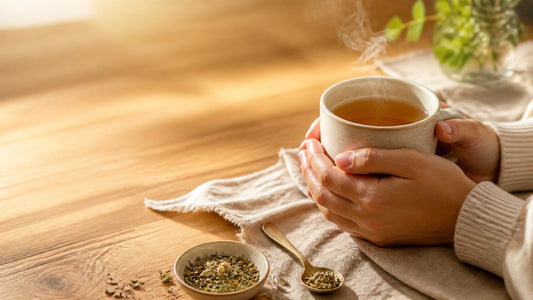
Lavender: A Floral, Fragrant Way to Unwind
Lavender tea has a more distinct personality. Its aroma is floral and perfumed, while its flavor can be herbaceous, lightly sweet, and almost mint-like. Some people find it beautifully soothing. Others find that too much lavender tastes bitter, sharp, or even a little soapy.
Lavender is especially appealing when the sensory experience matters. The scent rising from the cup, the steam, and the act of preparing the tea can all become part of a restorative evening ritual.
How lavender may work
Lavender contains aromatic compounds including linalool and linalyl acetate. These volatile compounds contribute to lavender’s recognizable fragrance and have been studied for calming and anxiety-related effects.
The important distinction is that lavender’s compounds are volatile, meaning they can evaporate into the air. This may help explain why lavender has such a strong reputation in aromatherapy. The scent you experience while steeping may be an important part of the relaxation ritual, even though the amount delivered through a cup of tea is less predictable.
The Sleep Foundation’s review of herbal teas for sleep notes that lavender tea research remains limited. Some studies have found improvements in perceived fatigue or sleep quality, but the effects are not as well established as those associated with chamomile or lavender oil preparations.
Lavender may be the right choice if you:
- Enjoy floral flavors and aromas
- Feel mentally tense at the end of the day
- Want to pair tea with a relaxing scent-based ritual
- Prefer a lighter, more aromatic bedtime beverage
Which One Works Better for Different Sleepers?
There is no single best tea for every person. Your ideal choice depends on what keeps you awake and which flavors help you feel relaxed.
Choose chamomile if you have trouble settling down
Chamomile is a good starting point if your body feels tired but your mind is still active. Its mild taste makes it easy to drink regularly, and its apigenin content gives it a stronger rationale as an oral calming herb.
Try chamomile if you are looking for:
- A gentle tea before bed
- Support for a consistent sleep routine
- A soothing option after a stressful day
- A naturally caffeine-free beverage with a mellow flavor
Choose lavender if aroma helps you relax
Lavender may be a better fit if scent is a major part of your wind-down process. Brew a light cup, keep the teapot covered, and pause to enjoy the aroma before drinking.
Lavender can be especially pleasant for people who enjoy meditation, restorative stretching, journaling, or reading as part of their nighttime routine.
Choose both for a balanced blend
For many sleepers, chamomile and lavender work beautifully together. Chamomile provides a soft, honeyed base, while lavender adds a fragrant floral lift.
A practical starting point is approximately four parts chamomile to one part lavender. This keeps the blend smooth and approachable without allowing lavender to overpower the cup.
Best Ways to Brew Chamomile and Lavender
Good brewing protects flavor and helps preserve the aromatic experience.
For chamomile tea
- Use about 2–3 grams of dried chamomile per 8 ounces of water.
- Pour in freshly boiled water.
- Cover and steep for 5–10 minutes.
- Drink approximately 30–60 minutes before bed.
- Add a small amount of honey if desired.
Covering the cup or teapot is worthwhile because it helps retain delicate aromatic compounds. A longer steep may produce a fuller flavor, but you do not need to make the tea extremely strong for it to feel comforting.
For lavender tea
- Use about ½–1 teaspoon of dried culinary lavender per 8 ounces of water.
- Pour in hot water just below a rolling boil.
- Cover and steep for 3–5 minutes.
- Smell the tea before sipping.
- Add chamomile, lemon balm, or a little honey to soften the floral edge.
Lavender is potent, so begin with a modest amount. If the flavor tastes too intense, reduce the lavender rather than adding more sweetener.
For a chamomile-lavender blend
Use a 4:1 chamomile-to-lavender ratio, water around 195–205°F, and a covered steep of 7–8 minutes. This creates a rounded cup with soft floral notes and a relaxing aroma.
The Benefits of Loose Leaf Tea for a Bedtime Ritual
The benefits of loose leaf tea are not limited to stronger flavor. Loose leaf brewing can make the process feel slower and more intentional. Measuring the leaves, warming the teapot, watching the herbs unfurl, and choosing your favorite cup all create small moments of mindfulness.
Loose leaf tea also gives you more control over:
- Strength
- Steeping time
- Blending ratios
- Cup size
- Flavor customization
At Nourished Cup, our Blends collection includes loose-leaf options and aromatic choices for different times of day, including calming tea blends that fit naturally into a gentle evening routine. While every blend is not designed specifically as a sleep formula, our Apple Cider Rooibos is a naturally caffeine-free herbal blend with rooibos, cinnamon, orange peel, and warming spices. It offers a cozy alternative when you want evening comfort without caffeine.

Our Hibiscus Berry Tea is another herbal option, combining hibiscus, rosehips, orange peel, rooibos, and fruit-forward flavors. It is bright and refreshing, making it especially enjoyable as a cold brew or a lighter evening drink.

A Gentle Note About Safety
Chamomile and lavender teas are generally well tolerated by many healthy adults when enjoyed in moderate amounts. Still, herbs can interact with individual health conditions and medications.
Use extra care if you:
- Have an allergy to ragweed or related plants
- Take blood-thinning medication
- Use sedatives, sleep medication, or other central nervous system depressants
- Are pregnant or breastfeeding
- Have a chronic health condition
When in doubt, ask your healthcare professional before adding a new herbal product to your routine. Tea can support a restful ritual, but it should not replace medical care for ongoing insomnia or significant sleep concerns.
The Restful Result: Chamomile First, Lavender When You Love It
If you want the clearest answer, start with chamomile. It has the stronger evidence for use as an oral calming tea, and its soft flavor makes it easy to enjoy consistently.
If lavender’s aroma speaks to you, add a small amount to chamomile or make it part of a broader evening ritual. Together, they can create a peaceful cup that supports relaxation without promising more than tea can deliver.
At Nourished Cup, we believe wellness is built through small, repeatable choices: a slower pour, a warmer mug, a quieter room, and a few minutes to return to yourself. Browse our Blends collection for calming tea blends, then explore our All Merch collection for cozy mugs, apparel, and evening ritual items that help make everyday rituals feel personal.
Do you prefer chamomile, lavender, or a blend of both? We would love to hear what helps you unwind. Send us your questions or share your favorite evening ritual. I will do my best to get back to you soon.